

Slow Travel: The Need of the Hour in a Fast-Paced World
March 1, 2025
Don’t Fall for the Travel Pressure!
May 28, 202528 States, 62 Cuisines: Go Beyond Butter Chicken
What’s the most popular Indian dish known across the world? If you guessed Butter Chicken, you’re absolutely right. But have you wondered why this one dish is so famous while others remain unknown beyond Indian borders?
If you are a resident of the global West, probably every restaurant might have served or marketed Butter Chicken to you as the ultimate main dish of India, but what if we tell you that it probably represents just a small section of Indian families’ home kitchens?
There is more to Indian food than the highly popular Butter Chicken and we – the travellers, foodies, and culture lovers of India cannot stress this enough!
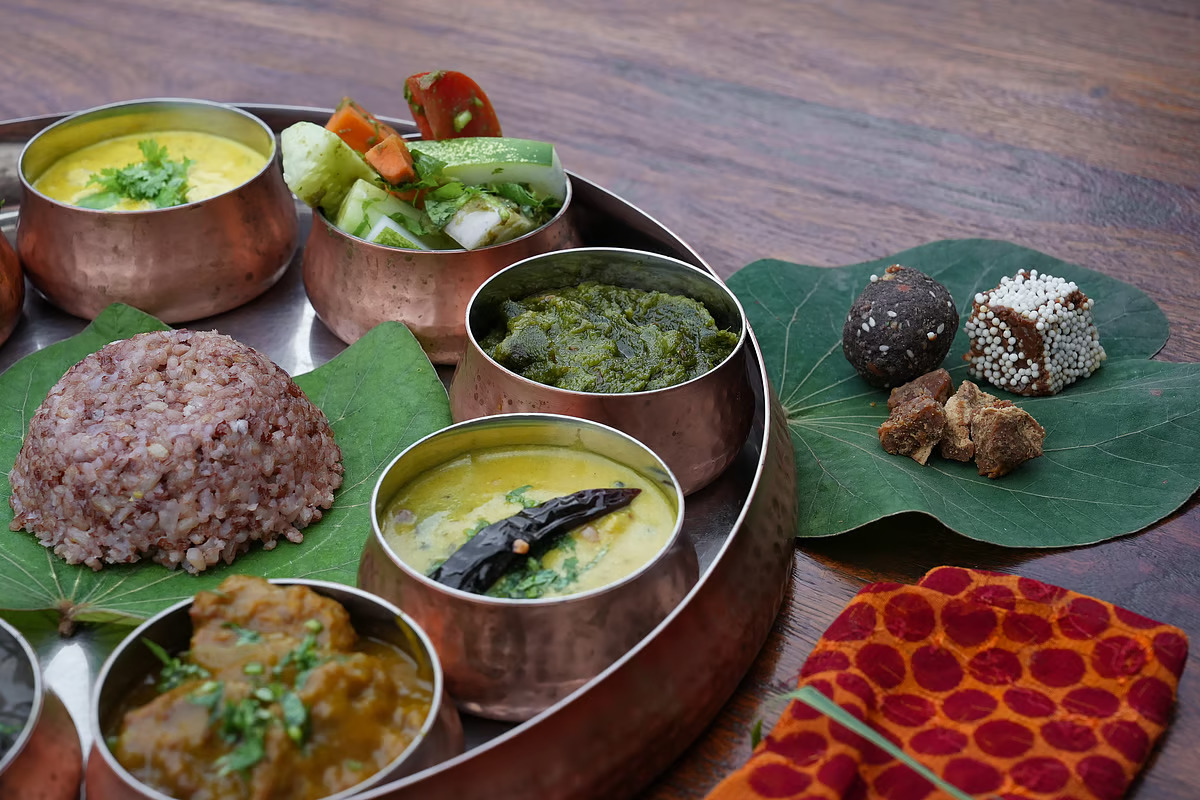
What the World Thinks of Indian Cuisine and What it Really is
There are people in India who have never had Butter Chicken, never cooked it, never probably ordered it at a restaurant, and maybe didn’t even like it much upon tasting it. But because it is a globally well-marketed beloved dish, it’s often mistakenly seen as the face of all Indian cuisine, just like reducing Italian cuisine to pizza or French cuisine to croissants.
India’s culinary landscape is vast and diverse, spanning 28 states and showcasing over 60 unique regional cuisines — each with its own rich history, ingredients, and cooking styles. Indian food is so diverse, it is said that the cuisine changes every 5 miles. And it’s absolutely true.
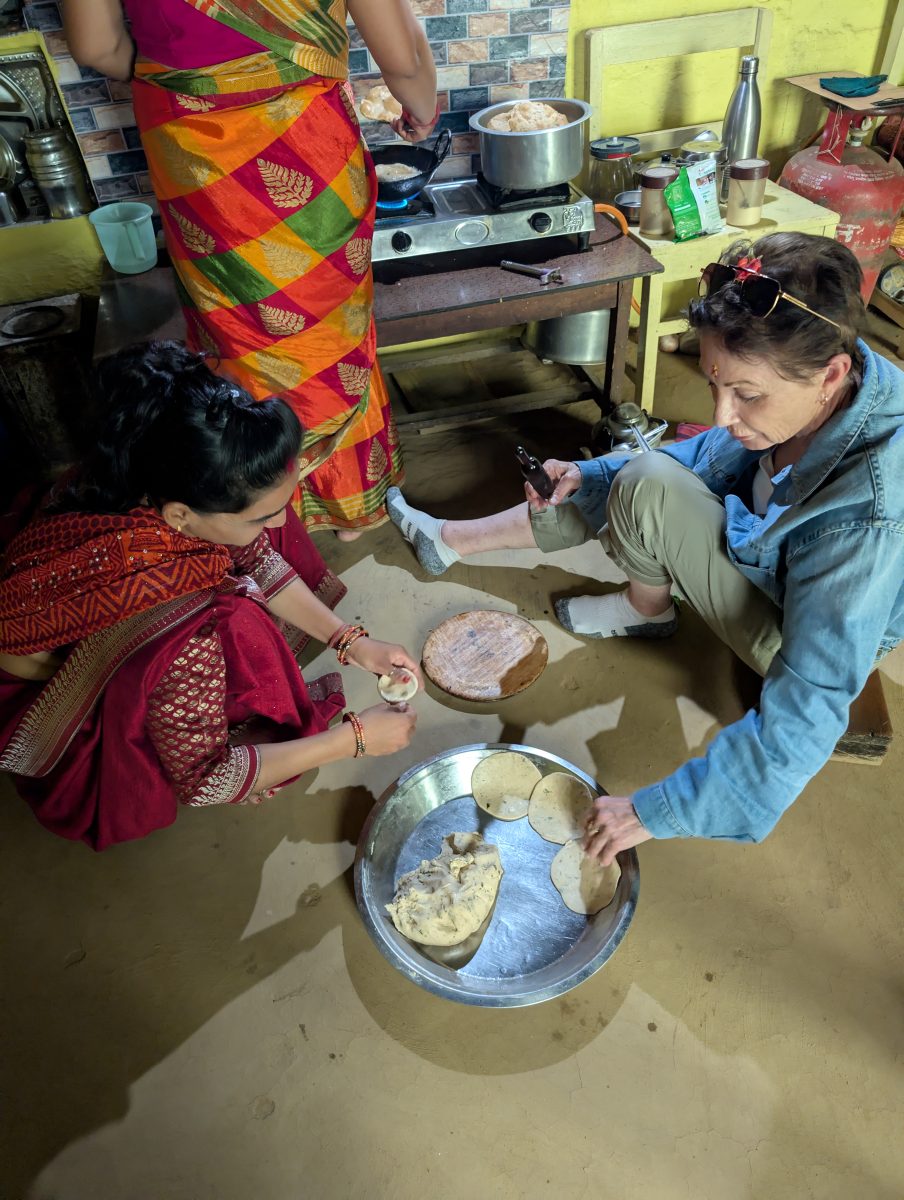
At Unfollow Travel, we give you a splendid opportunity to go beyond the usual fare and experience a part of India that probably even the best travel guidebooks won’t cover. Enter the homes of Indian families, where they share generational recipes that go far beyond the butter chicken.
60+ Cuisines in One Country? — Here’s Why
The reason behind the incredible diversity in cuisines in India is because of its sheer size and diversity. It is such a large country where landscapes, culture, agriculture, staple diets, and most definitely ingredients & cuisines change almost at every turn across regions, plains, mountains, villages, and cities.
Every dish tells a story — shaped by local geography, climate, traditions, and seasonal ingredients. Ingredients like curry leaves, tamarind, kokum, gondhoraj lime, dried shrimp, jackfruit, and millets add layers of flavor that make each region’s cuisine truly unique.
Explore beyond the familiar cream and tomato-based dishes to uncover gems like the smoky Bamboo Shoot Pork Curry from Nagaland, the hearty Madua ki Roti (finger millet roti) from Uttarakhand, the sweet and spicy Aam Tok Dal (mango & lentil curry) of Bengal, or the fermented Gundruk Soup (fermented greens’ soup) from Sikkim.
Recipes as a symbol of community Heritage in India
India’s food traditions are deeply rooted in history, with recipes passed down verbally through families and communities for generations. These aren’t just meals but living heritage.
What makes Indian cuisine truly special is the emotion and indigenous knowledge woven into every dish. Long before “sustainable living” became a global buzzword, Indian communities had already mastered the art of eating in harmony with their ecosystem. They respected nature’s rhythms, celebrated native crops, and developed cooking techniques that worked with—not against—their local climate and available ingredients. Each recipe is a testament to centuries of wisdom, adaptation, and a deep connection between people and their land.
It’s Not Just Curry and Spice!
Indian cuisine isn’t just about spice. It balances sweetness, sourness, bitterness, earthiness, umami, and even floral notes to create complex and unforgettable flavors.
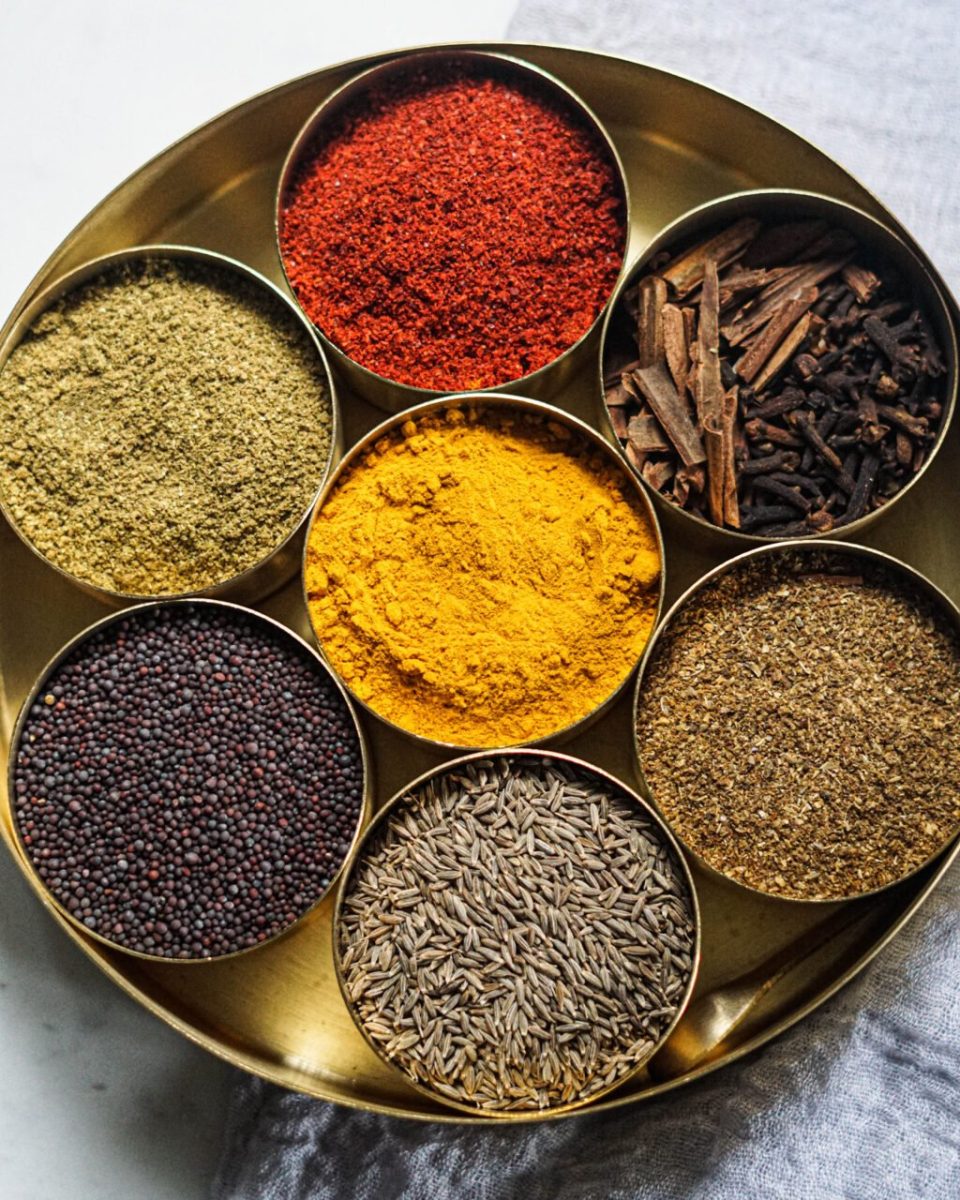
The spice blends known as masalas used across India aren’t just used for flavour. They’re rooted in science and centuries of understanding how food affects the body in different weather conditions. India’s diverse climate zones, from tropical coasts to high-altitude mountains, demand different nutritional and digestive needs. The usage of the same masalas & other ingredients varies regionally, creating blends suited to different climate conditions and their health benefits.
For example, warming spices like ginger are dominantly used in regular dishes & drinks in cold hilly regions to generate body heat while coastal cuisines use ingredients like coconut, and kokum to balance the humidity and heat. Turmeric has been used across the country for centuries for its anti-inflammatory properties, while asafoetida aids digestion.
Such rich traditional wisdom shows that Indian food is far more nuanced than the simplistic “curry and spice” image it carries globally.
Where to find Real Authentic Indian Food?
Right in Indian homes.
Indian families take pride in their unique family recipes. Even the tempering of a simple dal, or the spice-mix of a homemade pickle, changes from door to door.
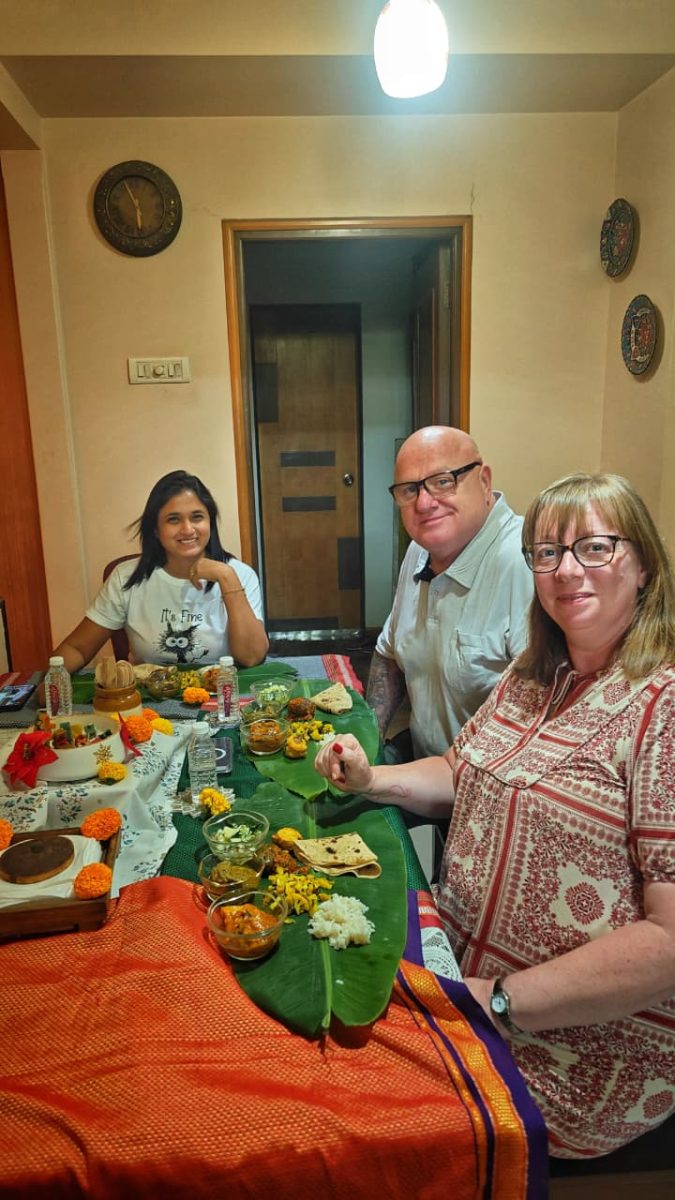
The best way to experience genuine Indian food is not at hotel restaurants but with a local family, who’ll warmly invite you and share fresh home-cooked food made with love.
Indians themselves are still discovering new cuisines as they travel across the country to its 28 states.
To experience all Indian cuisines might take a lifetime, so don’t come with a checklist but indulge fully as you travel slowly to discover the untold side of India with us.
And we promise you a memorable food adventure that’ll not just surprise your taste buds but touch your heart. So that next time you crave Indian food, you think beyond Butter Chicken as you discover a country where food is a vibrant expression of culture and heritage.
Discover India through food
We believe that to truly understand India, one must go beyond tourist restaurants into people’s homes where recipes have been perfected over generations. From morning chai and breakfast to local snacks, even the simplest meals can incredibly showcase the diversity of India’s culinary traditions.
At Unfollow, we don’t do cookie-cutter tours but sketch out customized itineraries with home-cooked food experiences as per your needs, preferences, and style of travel. Our slow travel philosophy provides cultural immersion in India through food, culture, history, local experiences, and community conversations that you’ll never find in typical tour companies.
So, are you ready to experience India through real meals and unscripted experiences in offbeat locations?
Things You’ll Want To Know
1) Is Indian food safe and hygienic?
Yes! Unlike what is often highlighted in western media about India regarding unhygienic food conditions, Indian families on the contrary are very particular about health and hygiene and we will only take you to places where safety along with taste is guaranteed.
2) Can I experience food trails as part of a customized itinerary?
Absolutely! All trips at Unfollow Travel can be tailor-made around immersive food experiences. We always insist on experiencing India through food for a complete wholesome itinerary.
3) Will dietary restrictions be taken into consideration for home-cooked meals?
Yes. We will consider any dietary restriction before arranging for a home-cooked meal experience.
4) How to Slow Travel in India?
Slow Travel is the best way to experience India. It is a large, diverse country with varied landscapes, cuisine, and cultures, and cannot be experienced by hopping from one place to another. The real India wants you to slow down, sit, talk, listen, and engage in a different perspective, as you spend more time in a chosen region and have a more immersive experience in the place with its local people.
5) How long should a slow travel itinerary be in India?
You can go as slow as you need! Ideally, I suggest a minimum of two weeks to explore a region to its fullest. For more regions, a minimum of three weeks is ideal.
Usually, our travellers from Europe and the UK prefer a 2-week region-specific trip. 3-4 weeks for an immersive monthly vacation is loved by travellers from Australia.
6) Is Slow Travel more expensive than regular tours?
No. Slow Travel is not expensive. At Unfollow Travel, we work as per our guests’ budget. We tailor the itineraries accordingly, by choosing accommodations and including experiences that suit your budget.
7) Which regions in India are best for slow travel?
India has a lot to offer beyond the Golden Triangle. You can slow travel anywhere across India, but here are some of mine and our travellers’ favourites:
- Uttarakhand & Himachal for the Himalayas in North India
- Gujarat & Maharashtra for Sahyadris and village life in West India
- Assam and Meghalaya for tribal culture in North-East India
- Wayanad, Vagamon, Coonoor for Nilgiris, and coffee plantations in South India.
8) When is the best time for UK/European/Canadian/Australian travellers to visit India?
The usual inbound travel season in India is October – March. You can travel anytime within these months.
However, one can also opt for the monsoon season, which is offbeat and one of a kind. You can experience surreal road trips in Maharashtra during this time.
9) Is India safe for solo travellers?
I work with solo travellers and accompany them on the tour too. India is perfect for a solo traveller, especially the North Indian regions of Himachal and Uttarakhand.
10) Will I get help with my visa and other procedures?
Yes.
11) What are the inclusions and exclusions?
You’ll receive these in the product docket once you get in touch.
12) Will there be a tour guide accompanying us?
Yes. A dedicated journey host will be accompanying you and will take care of every end-to-end detail of the tour so that you can relax and focus on enjoying the experience.
13) What’s the procedure to book a trip with Unfollow Travel?
At Unfollow Travel, I provide a wholly tailor-made itinerary for you to explore India at your own slow pace.
- Fill out this short form with 5 quick questions.
- I’ll get on a 1-1 call with you to understand your interests, travel style, and preferences.
- I’ll curate the trip entirely customized for you, around the kind of India you are seeking, adding selective, delightful new experiences.


